

Introduction: When Geography Shapes the Calendar
In real estate, it’s tempting to think of escrow as a standardized process. After all, the same contracts, lender rules, and disclosure requirements apply across California. Yet in practice, geography reshapes escrow more than most clients and even many agents realize.
A “30-day escrow” in Beverly Hills rarely resembles a “30-day escrow” in Riverside. The numbers may match, but the moving parts—transfer taxes, HOA documents, municipal recording turnaround, lender type—transform the experience.
In 2025, as affordability pressures and lifestyle shifts drive buyers further east and as ultra-luxury sellers weigh new costs like Los Angeles’s Measure ULA, agents and their clients face an environment where local nuance equals deal certainty.
At Cypress Escrow, we’ve managed transactions from the flats of Beverly Hills, beachfront condos in Laguna Beach to multifamily complexes in Riverside. With 200+ years of combined experience, we’ve learned that regional expertise isn’t optional—it’s the difference between a smooth close and a stalled one. This article unpacks the forces reshaping escrow timelines across Southern California and offers practical strategies for agents and brokers to stay ahead.
The Market is Shifting: Why Demand Is on the Move
For decades, Los Angeles has set the tone for Southern California’s housing market. But in recent years, affordability and demographic shifts have redirected demand.
Affordability Migration
The average single-family home in Los Angeles County now requires a household income that far outpaces what many professionals can afford. That reality is pushing families and investors alike toward the Inland Empire—particularly Riverside and San Bernardino counties. There, median prices remain more accessible, and multifamily construction has grown significantly. These markets have become magnets for buyers seeking space and value, even if it means longer commutes.
Luxury Still Anchored in LA and OC
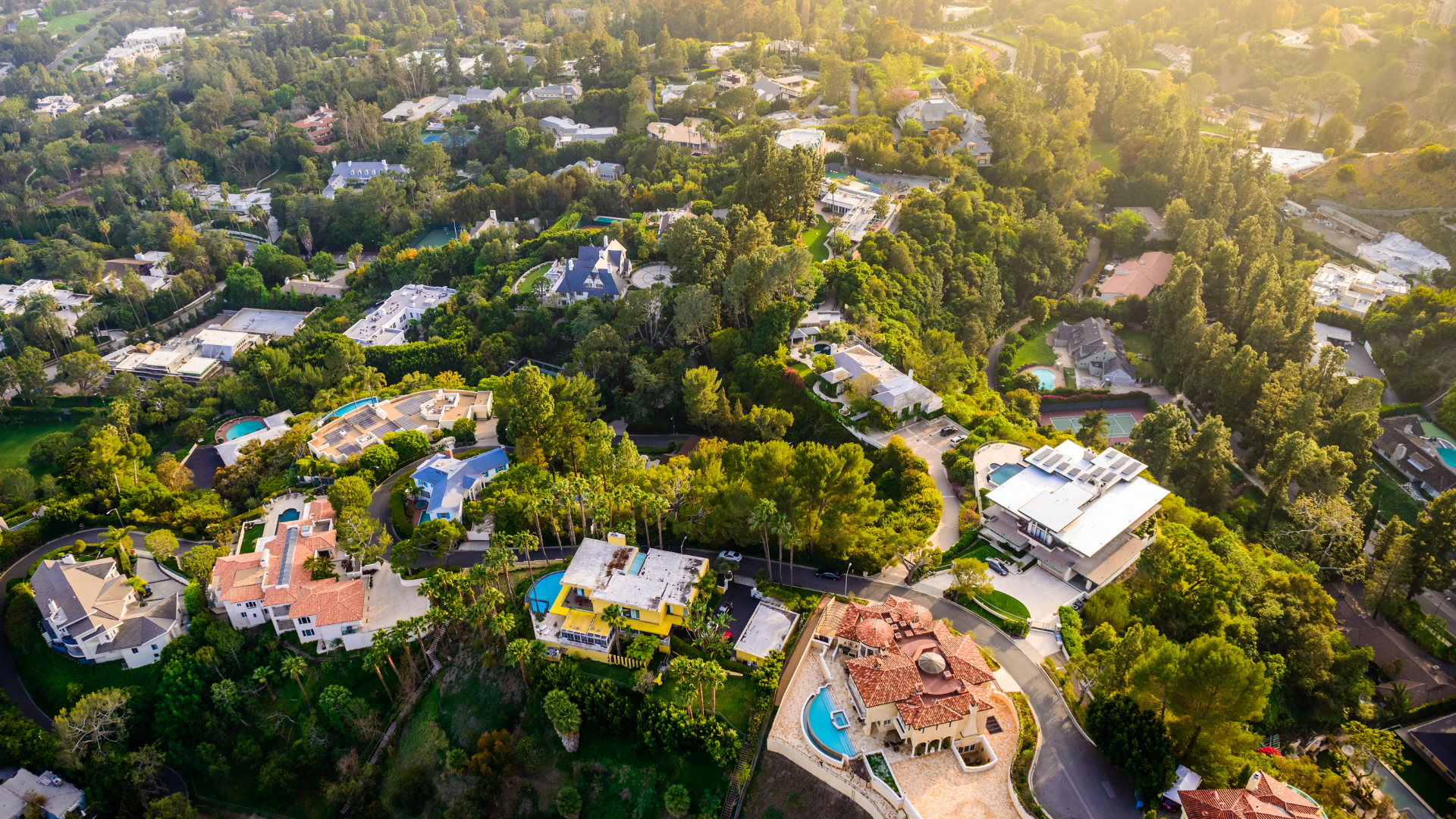
Meanwhile, the ultra-luxury market remains firmly anchored in Los Angeles and Orange County. Beverly Hills, Brentwood, Malibu, Newport Beach—these enclaves continue to attract domestic and international buyers. But the City of Los Angeles’s Measure ULA, a transfer tax that adds 4–5.5% on properties above $5.3M and $10.3M, has introduced a new decision point for sellers. Some are moving south to Orange County or San Diego, where comparable luxury properties don’t trigger the same surcharge.
The result is a fragmented market: buyers stretching further east for affordability, sellers of high-value properties reevaluating where they transact, and agents forced to juggle vastly different escrow conditions within the same client portfolio.
To navigate this new landscape, agents must understand how each county’s quirks affect not only price but also process. That’s where county-level nuances come into play.
County-Level Nuances: The Hidden Variables
Every county in Southern California has its own operating rhythm, and these rhythms directly influence escrow. What looks like a statewide process on paper is, in reality, a patchwork of local practices.
Los Angeles County
Los Angeles remains the epicenter of volume. Escrow officers here deal with high-value transactions, multiple jurisdictions, and clients who often require confidentiality and discretion. In addition to the county’s standard documentary transfer tax, the City of LA layers on Measure ULA, reshaping net proceeds for sellers. Recording is generally same-day if submitted before cutoff, but county workload can create bottlenecks.
Orange County
Orange County’s advantage is tax simplicity—no ULA-style surcharges. But coastal Orange County also has dense concentrations of HOAs. Condo and planned unit development (PUD) escrows often hinge on receiving resale packages. These can take 7–14 days, so unless ordered immediately, contingency clocks can expire before documents even arrive.
San Diego County
San Diego has become one of the most dynamic counties, with strong military and biotech sectors fueling relocations. VA financing is common, which introduces unique appraisal and funding standards. Escrow teams unfamiliar with VA requirements risk preventable delays.
Riverside & San Bernardino Counties
The Inland Empire is in growth mode. Transaction counts are climbing, but municipal systems haven’t always scaled at the same pace. That can mean slower payoff processing or lien clearance. Recording cutoffs also vary by jurisdiction, making it essential to confirm timing before promising closing dates to clients.
Ventura County
Smaller in volume, Ventura presents its own challenges. Escrows there often involve rural or agricultural properties that require additional disclosures and sometimes specialized inspections (septic, well).
These differences underscore a critical point: the term “30-day escrow” is a convenient shorthand, but unless you account for county-specific realities, it can become a misleading promise. The property type amplifies this even further.
Property Types: How Asset Class Alters Escrow
Just as geography reshapes expectations, property type layers in its own complexity.
Condos and HOAs
Condominium escrows are particularly vulnerable to HOA document delays. In LA and OC, associations often take a week or longer to deliver resale packages. If the buyer’s contingency clock isn’t tied to receipt of those documents, they may technically expire before review. That can put agents in a defensive position, renegotiating deadlines midstream.
Single Family Homes
While generally faster, single-family escrows aren’t immune to hiccups. Payoff demands, hazard insurance verification, and seller rent-backs can all stretch timelines if not addressed early.

Jumbo, FHA, and VA Loans
Financing type can make or break the schedule. Jumbo loans bring stricter underwriting. FHA and VA financing involve more rigorous property condition standards and can trigger repair requirements. Cash transactions, while theoretically faster, still depend on timely document collection and municipal turnaround.
Commercial and Multifamily
These files are the most complex, often stretching 45–60 days. Due diligence windows, environmental reviews, and multi-entity ownership structures require coordinated sequencing. In the Inland Empire, where multifamily investment is on the rise, escrow teams must be prepared for heavier workloads from lenders and municipalities.
These patterns are abstract until you see them in action. To illustrate, let’s compare two real-world style transactions—one in Beverly Hills, the other in Riverside County.
Case Examples: Beverly Hills vs. Riverside
One of the clearest ways to appreciate how geography and property type intersect is to look at two hypothetical transactions that seem similar on the surface. Both are framed as “30-day escrows.” Yet their risk profiles and timelines could not be more different.
Case 1: $10M Bel-Air Home Sale
In Bel Air, the first hurdle is financial: the ULA transfer tax reshaping net proceeds. Sellers want clarity on this immediately, or risk negotiating late in the process. Ownership is often through trusts or corporate entities, requiring careful verification of signer authority. On the buy side, jumbo loan underwriting adds complexity, with strict documentation standards and the ever-present risk of redisclosure under TRID if credits or concessions are added late.
The real danger is timing. A late amendment can trigger a new Closing Disclosure, resetting the three-day clock and jeopardizing closing. For clients with bridge financing, tax deadlines, or relocation schedules, this isn’t a minor inconvenience—it’s a dealbreaker.
Escrow Playbook: Begin by collecting all entity and trust documentation at open. Model ULA tax implications in preliminary net sheets so everyone has visibility. Coordinate with the lender early to understand redisclosure triggers and push agents to finalize concessions before the CD is issued.
Case 2: $750K Riverside County Single-Family
In Riverside, the picture shifts. Instead of tax surcharges, the main pressure point is documentation. HOAs often take more than a week to produce resale packages, and municipal lien releases can move slowly. Financing is often FHA, where appraisers may require repairs before funding. That combination can easily push closings past 30 days.
Escrow Playbook: Order HOA resale packages and payoff demands immediately upon opening. Educate buyers early about FHA appraisal standards so repairs don’t become last-minute surprises. Maintain tight communication with the lender to confirm when conditions are cleared.
The Lesson
Both transactions wear the same “30-day escrow” label, but the underlying realities are worlds apart. Luxury sales in LA require early tax modeling and entity clearance; Inland Empire single-family escrows demand aggressive document ordering and FHA education.
The common thread is not luck but front-loaded planning. Elite escrow teams anticipate these region-specific bottlenecks and adjust workflows accordingly. That’s what transforms a 30-day promise into a 30-day reality.
With these contrasts in mind, what can agents actually do to protect their clients? The answer lies in operational discipline.
The Operational Playbook: Cypress Escrow’s Approach
At Cypress, we’ve built our workflows around one principle: eliminate uncertainty before it has a chance to cause delays. That approach manifests in five practices.
- Front-Load Documentation
City Reports, HOA packages, NHD orders, entity certificates, payoff demands—all requested at open. This compresses risk into week one rather than week three. - Build County Calendars
Recording cutoffs vary, and so do processing speeds. We maintain jurisdiction-specific calendars so agents know exactly what “30 days” means in LA, OC, San Diego, or Riverside. - Tax Transparency
Early net sheets reflect all applicable county and city taxes, including ULA in LA. No client should be surprised by a multimillion-dollar line item at closing. - Communication Cadence
Weekly updates paired with milestone beats—EMD posted, appraisal cleared, contingencies released, signing set, funding sent, recording confirmed. Everyone knows where the file stands. - Confidentiality and Security
Sensitive client data is protected with encrypted portals and verified call-backs. In luxury and commercial transactions, where reputational risk is as great as financial risk, discretion is non-negotiable.
These practices do more than save time. They change the client experience, turning stressful transactions into seamless ones.
Turning Geography Into an Advantage
In 2025, Southern California’s real estate map is being redrawn. Buyers are heading east for affordability, while luxury sellers are recalibrating net sheets in light of new taxes. Each county’s quirks—from HOA turnaround to municipal cutoffs—rewrite escrow expectations.
For agents, this could be a headache. Or, with the right escrow partner, it can be a differentiator. When you walk into a listing appointment able to explain not just price strategy but also timeline strategy—how LA ULA impacts proceeds, how Riverside HOAs impact contingencies—you move from salesperson to trusted advisor.
At Cypress Escrow, we believe escrow should never be the unknown variable. Our mission is to bring clarity, security, and precision to every file, whether it’s a $10M Bel Air estate or a $750K Riverside starter home.
Planning a sale or purchase in Southern California? Connect with Cypress Escrow today. We’ll map your escrow timeline by county, anticipate tax and document bottlenecks, and secure your transaction with state-of-the-art protocols.
Cypress Escrow & Settlement Services
Integrity. Security. Service. Expertise.